Learn the early warning signs of spring failure to keep your garage door safe, reliable, and functional.
A malfunctioning garage door spring can bring your entire system to a standstill—and worse, it can be dangerous. Knowing how to tell if your garage door spring is about to break can save you from costly repairs, property damage, and potential injury. In this post, we’ll walk you through the warning signs of a failing spring, how to prevent future issues, and when to call in a professional for garage door spring repair.
Why Garage Door Springs Matter
Garage door springs are a vital part of your garage door system. They counterbalance the weight of the door, making it possible to open and close it with ease, whether manually or using a garage door opener. When the springs fail, the door can become too heavy to lift, or it may come crashing down without warning.
There are two common types of garage door springs:
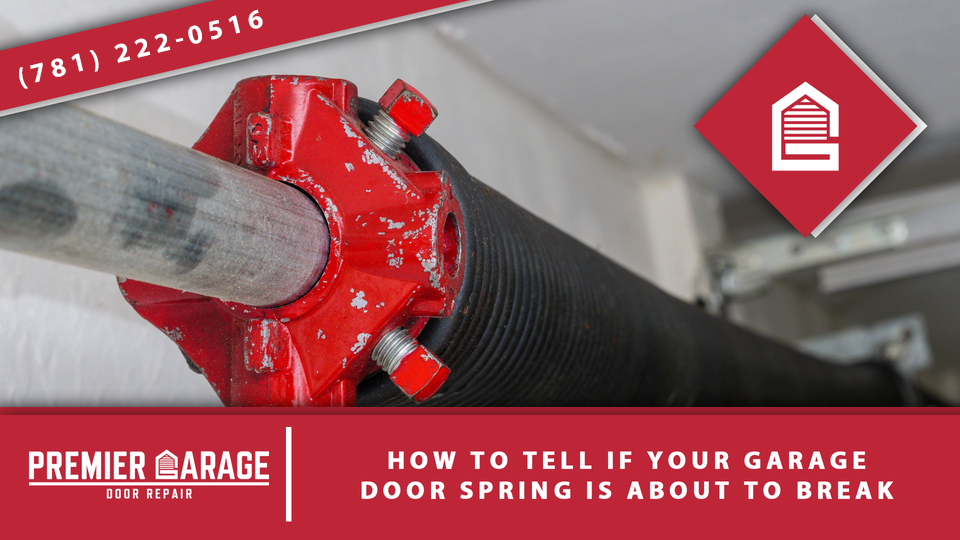
- Torsion springs: Mounted above the garage door opening
- Extension springs: Located on both sides of the door above the tracks
Both spring types work under extreme tension and wear out over time. Recognizing when they’re near the end of their life can prevent sudden failure.
Key Warning Signs of a Worn Garage Door Spring
Knowing the signs of a failing garage door spring can save you from unexpected breakdowns. Here are the most common red flags:
1. The Door Feels Too Heavy
If the door suddenly feels unusually heavy when you lift it manually, the spring may be losing its tension or already broken. A functioning spring does most of the lifting; without it, all the weight shifts to the opener or your arms.
2. Visible Gaps in the Spring Coil
Torsion springs are tightly wound. If you see a noticeable gap or break in the coil, it likely means the spring has snapped. Stop using the door immediately to avoid further damage or injury.
3. A Loud Bang from the Garage
A snapping garage spring can create a loud, startling noise, often mistaken for something falling or breaking. If you hear this and notice the door won’t open afterward, a broken spring is the likely cause.
4. Uneven Movement or Jerky Operation
When one spring breaks, especially on doors with extension springs, the door may lift unevenly or appear crooked. This can also lead to the door getting stuck or opening halfway before reversing.
5. The Door Opens a Few Inches and Stops
Modern openers come with safety sensors that detect increased resistance. If the door lifts only a few inches and then stops, the system may be compensating for a failed spring.
6. Loose or Slack Cables
Garage door cables and springs work together. If you notice sagging cables, it might mean your springs aren’t maintaining proper tension.
What Causes Springs to Fail?
Understanding what causes a garage door spring to fail helps with prevention. Here are common culprits:
- Wear and Tear: Springs are rated for about 10,000 cycles. That might sound like a lot, but with daily use, they can wear out in just 7-10 years.
- Rust: Corrosion weakens the metal over time, increasing the likelihood of breakage.
- Lack of Lubrication: Springs require periodic lubrication to operate smoothly and avoid excess friction.
- Temperature Extremes: Cold winters and hot summers can affect metal elasticity, causing springs to wear faster.
Don’t Try to Fix It Yourself
Garage door spring replacement is dangerous and should not be attempted without professional training and proper tools. These springs are under high tension and can cause serious injury if mishandled.
At Premier Garage Repair, we specialize in safe and affordable garage door spring repair and replacement. Our licensed technicians can identify the issue, install durable high-cycle springs, and get your door working like new.
How to Prevent Spring Problems in the Future
While no spring lasts forever, a little maintenance goes a long way in extending its lifespan:
- Schedule Routine Maintenance: Have a professional inspect your garage door system annually.
- Lubricate Regularly: Use a silicone-based lubricant on the springs every few months.
- Address Issues Early: If the door starts behaving oddly, don’t ignore it.
- Balance Checks: An unbalanced door puts added strain on the springs and can shorten their life.
When to Call for Garage Door Spring Service
If you notice any of the warning signs mentioned, it’s time to bring in the professionals. Timely garage door spring repair can save you money, time, and prevent injuries.
Premier Garage Repair provides 24/7 emergency garage service and spring replacement near you. Whether your spring is broken or you’re just seeing signs of trouble, our team is ready to help with reliable, fast repairs.
We serve homeowners across Massachusetts with same-day appointments, high-quality parts, and skilled workmanship. Our goal is to ensure your garage door works safely and efficiently year-round.
Final Thoughts
Garage door spring issues aren’t just inconvenient—they’re potentially dangerous. That’s why it’s critical to act quickly if you suspect a problem. By recognizing early signs, scheduling maintenance, and calling for help when needed, you can keep your door running safely.
Don’t wait for a complete failure. If you think your garage spring may be wearing out, contact Premier Garage Repair. We’ll inspect your system, make expert recommendations, and deliver service you can count on.